
Bargeboard Installation & Replacement
Bargeboards run up the sloping edge of a gable, finishing the roof where it meets the wall and protecting the timbers behind. When they rot or work loose they let in weather and look tired. We replace them in low-maintenance uPVC, in profiles and colours chosen to suit your property.
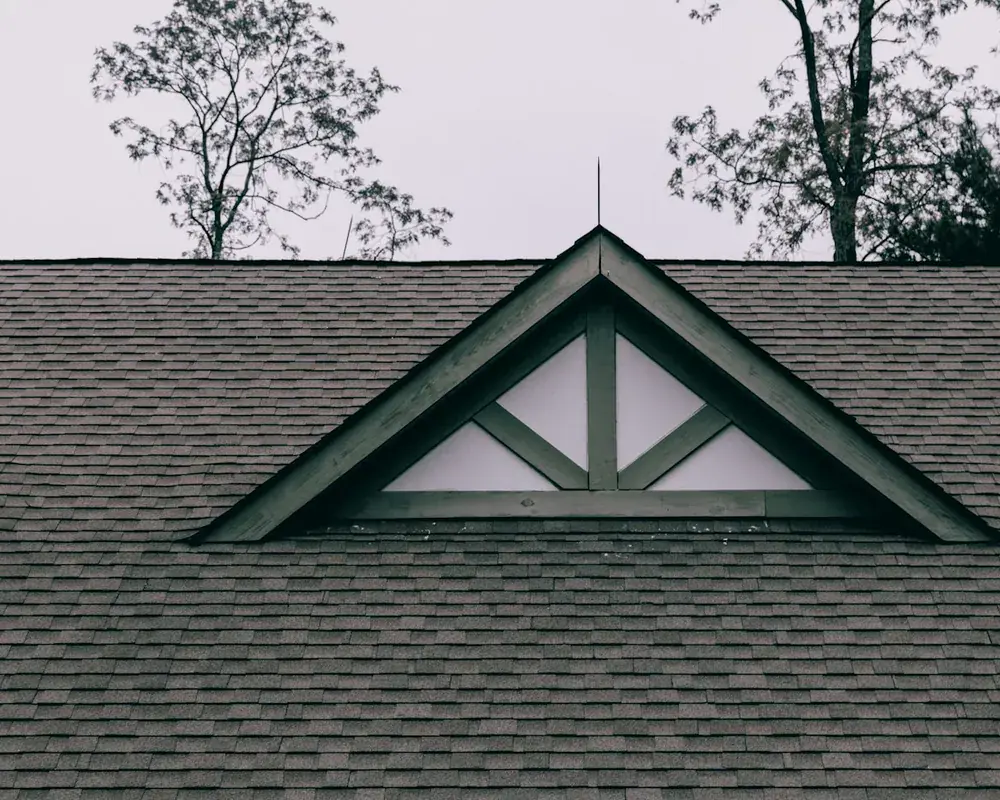
What is a bargeboard?
A bargeboard is the board that runs up the angled edge of a gable, following the slope of the roof from eaves to apex. That sloping edge is called the verge; the bargeboard sits on its face, closing off the ends of the roof timbers and giving the gable a clean, finished line.
Its job is part practical, part cosmetic. Covering the exposed ends of rafters and battens keeps wind-driven rain, birds and pests out of the roof, and the board defines the shape of the gable, which is why a decayed or ill-fitting one can make a whole elevation look neglected. On many houses a soffit board or undercloak sits behind the barge, closing the underside of the verge overhang; where that's the case, the two are best dealt with together.
Bargeboard or fascia: what's the difference?
People often use the words interchangeably, but the two sit in different places on the roof and are quoted and fitted separately.
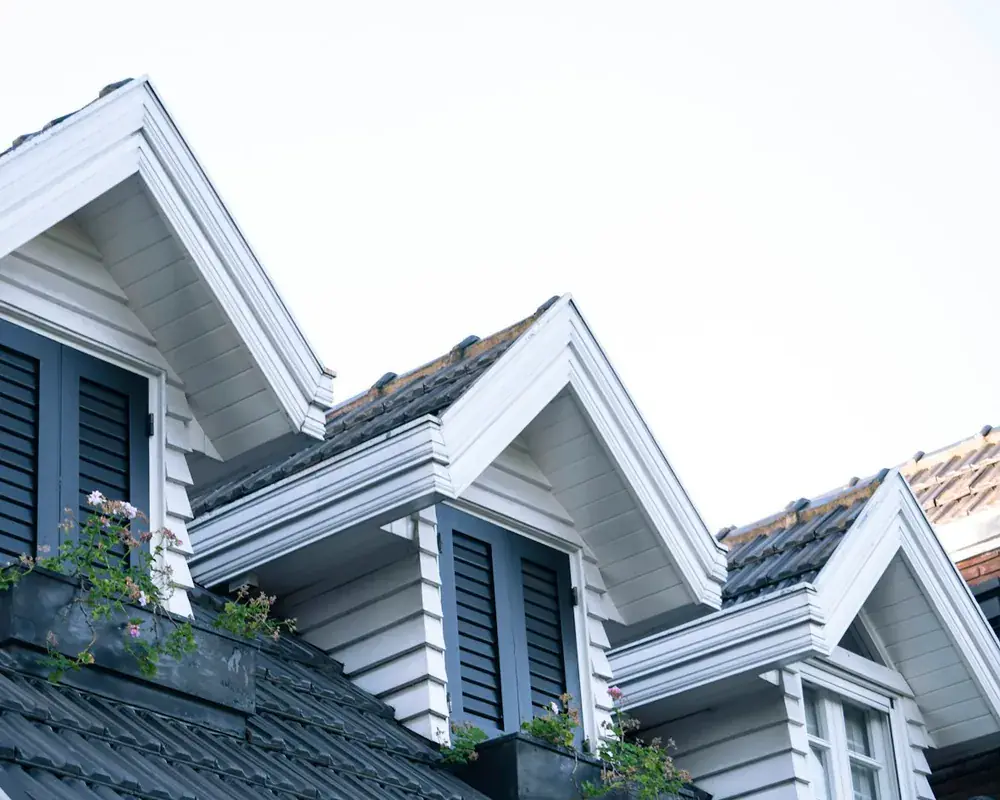
A fascia runs horizontally along the bottom edge of the roof, at the eaves, and carries the guttering. A bargeboard runs diagonally, up the pitched edge of a gable, and doesn't usually carry a gutter because water doesn't collect there in the same way.
Both close off and protect exposed timber, and both are commonly renewed in uPVC. Because of their different angles, though, a gable's bargeboards and an eaves run of fascias are separate parts of the job, coordinated on a full upgrade so colours and profiles match right around the roof. See our complete roofline replacement service.
- Fascia: horizontal, at the eaves, carries the gutter.
- Bargeboard: sloping, up the gable verge, protects the roof edge.
Signs your bargeboards need replacing
Bargeboards are high up and easy to ignore, so problems often go unnoticed until water has already found a way in. Spot any of these from the ground and it's worth a closer look.
Rotten or soft timber
Soft, crumbling or spongy wood is a clear sign of rot taking hold in a painted timber board.
Flaking, peeling paint
Blistered or peeling paint means the finish has failed and the wood beneath is exposed to the weather.
Gaps along the verge
Gaps where the board meets the roof or wall let rain track in behind it and into the roof space.
Birds or pests getting in
Birds, squirrels or insects nesting behind the board mean the gable edge is no longer sealed.
Loose or sagging boards
A board that has worked loose, bowed or dropped at one end has lost its fixings and lets weather in at the gaps.
Materials, profiles and colours
Replacement bargeboards are most often fitted in uPVC, which removes the painting and rot problems of timber. From there you have choices on profile and colour, plus a couple of related details to settle.
uPVC bargeboards
Rot-proof and maintenance-free, in white, anthracite, black and woodgrain finishes, the usual choice for a long life with no repainting.
Plain & decorative profiles
From clean square-edged boards to shaped, ornamental profiles that suit period and character gables.
Soffit & undercloak
Where a board or undercloak sits behind the barge, we renew it alongside so the underside of the verge is properly closed.
Colour matching
Boards matched to new or existing fascias and soffits so the whole roofline reads as one coordinated finish.
Ventilation detail
Where the gable needs to breathe, the finished detail allows air movement without letting weather or pests in.
What is a dry verge, and should you add one?
Many older gables have their edge tiles bedded in mortar. Over the years that mortar cracks, works loose and drops away, leaving the verge exposed. A dry verge is the tidy modern answer, and it often goes hand in hand with new bargeboards.
Instead of cement, a dry verge uses interlocking plastic or composite caps that clip over the end tiles and are mechanically fixed. They hold the tiles securely and close the gap along the gable, with no mortar to repoint every few years. Because the verge and the bargeboard sit right next to each other, it usually makes sense to tackle both at once while access is already up. That is the same thinking that runs through our repairs and maintenance and bespoke roofline work.
How is a bargeboard replaced?
Because bargeboards are high up and at an angle, safe access and careful detailing matter as much as the board itself.
Assess & access
We inspect the gable, check the timbers and any soffit or undercloak behind, and set up safe access, whether towers or scaffolding, depending on height and pitch.
Remove the old board
The failed timber board comes off, and we check the roof edge, rafter feet and verge before anything new goes on.
Fit the new bargeboard
The new uPVC board is cut to the pitch and fixed securely, with any soffit or undercloak renewed and a dry verge added if chosen.
Seal & finish
Junctions at the apex, eaves and wall are sealed so the verge is weathertight, then we leave the area clean and tidy.
What affects the cost of new bargeboards?
Bargeboard work is quoted per property, not at a set rate. The figure comes down to a handful of factors, all set out in your written quotation, never a price guessed before we've seen the gable.
Number & length of gables
A single small gable is a very different job from several large ones. The run of board to be replaced is the main factor.
Height & access
High or steeply pitched gables may need scaffolding rather than towers.
Profile chosen
Plain boards are the most straightforward; shaped or decorative profiles involve more work and material.
Condition behind
If the timbers, soffit or undercloak behind the board also need renewing, that forms part of the scope.
Extras & coordination
Adding a dry verge, or doing bargeboards alongside fascias or a full roofline, shares access and setup across the project.
Bargeboard FAQs
A fascia runs horizontally along the lower edge of the roof, where the gutter is fixed. A bargeboard runs up the sloping edge of a gable to the apex. They do a similar job, closing off and protecting roof timbers, but in different places and at different angles, so they're quoted and fitted separately.
Look up at the sloping edges of your gables. Soft, cracked, flaking or discoloured timber, gaps where the board meets the roof, and peeling paint all point to rot or weather damage. Birds or pests getting in behind the board is another clear sign it's no longer sealing the roof edge.
A dry verge is a set of interlocking caps fitted over the tiles at the gable edge instead of bedding them in mortar. It mechanically secures the end tiles and closes the gap along the verge without relying on cement, which cracks and falls out over time. It's often considered alongside bargeboard work as a related, low-maintenance option.
Yes. Timber bargeboards are commonly replaced with uPVC, which doesn't rot or need painting. It comes in a range of colours and profiles, including woodgrains, so you can keep a traditional look while losing the upkeep of painted timber.
Often, yes. Many gables have a soffit board or undercloak behind the bargeboard, closing the underside of the verge overhang. Where it's present we check and, if needed, renew it at the same time, so the whole gable edge is sealed rather than just the face board.
Plain, square-edged boards are the most straightforward. Shaped or decorative profiles, often used on period and character properties, take more work and material, which shows in the quotation. We can show you the profiles available and advise on what suits your home.
Tired or damaged bargeboards?
Send us a few details about your gables and we will arrange a look, explain the profile and colour options, and give you a clear written quotation for the work.