
A repair is usually enough when…
- The problem is isolated: one joint, one board, one blocked run.
- The rest of the roofline is sound and not that old.
- The fault is from debris or a loose fixing, not spreading rot.
Not every roofline problem needs a full replacement. A leaking joint, a blocked gutter or a single damaged board can often be put right on its own. We carry out targeted repairs and regular maintenance to keep your roofline sound, water flowing where it should, and small faults from turning into expensive ones.
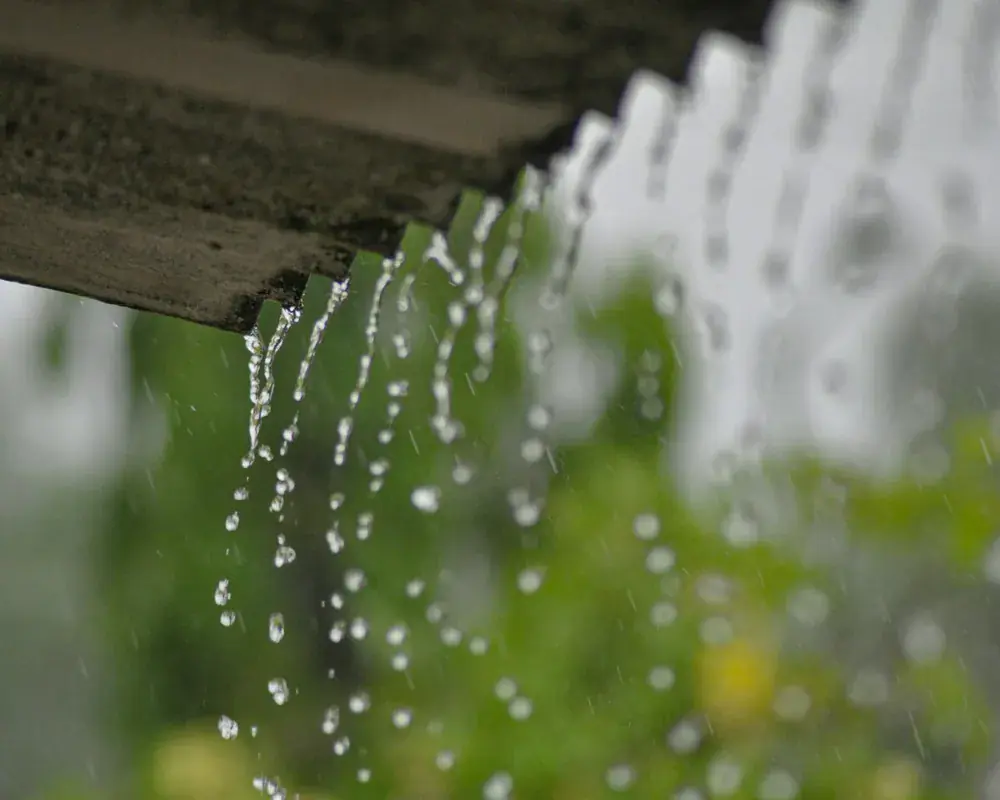
Roofline components don't always fail all at once. More often a single part gives trouble while the rest is still in good order: a gutter that has dropped at one end, a downpipe that has come away from the wall, a board that has taken some damage. In those cases a focused repair is the sensible, economical answer.
Regular maintenance works the same way. A roofline that's checked and cleared now and then lasts longer and is far less likely to spring the sort of leak that stains a wall or lets damp into the roof. The point of this service is to deal with problems while they're small. Where a repair genuinely isn't enough, we'll say so and point you towards complete replacement rather than charge for fixes that won't last.
These are the repairs we're asked for most often. Most are quick once we have access, and all are cheaper to tackle early than to leave.
Failed seals at gutter joints are a common cause of drips and staining. We reseal or replace the union so the joint is watertight again.
Gutters that have dropped or lost their fall let water pool and overflow. We refix the brackets and reset the run so water flows to the outlet.
Leaves, moss and debris block gutters and outlets. We clear them out and check the water runs freely down the pipe.
Loose or detached downpipes send water against the wall. We refit brackets and secure the pipe so it drains to the right point.
A single cracked or rotten fascia, soffit or bargeboard can be swapped out without renewing the whole roofline.
Soffit boards that have worked loose or sagged are refixed and their ventilation checked so the roof space stays protected.
Roofline faults tend to announce themselves in small ways long before they cause real damage. Notice any of these and a repair now is almost always cheaper than the alternative later.
Rain cascading over the front of the gutter in a downpour usually means a blockage or a run that has lost its fall.
Steady drips from a joint point to a failed seal that will stain the wall and soak the ground below.
A pipe that wobbles or has pulled away from the wall is no longer carrying water cleanly to the drain.
Grass or seedlings sprouting from a gutter are a sure sign of trapped debris and standing water that needs clearing.
Algae streaks running down a wall usually trace back to a gutter or downpipe spilling water where it shouldn't.
A fascia, soffit or bargeboard that has dropped or worked loose has lost its fixings and will let weather in.
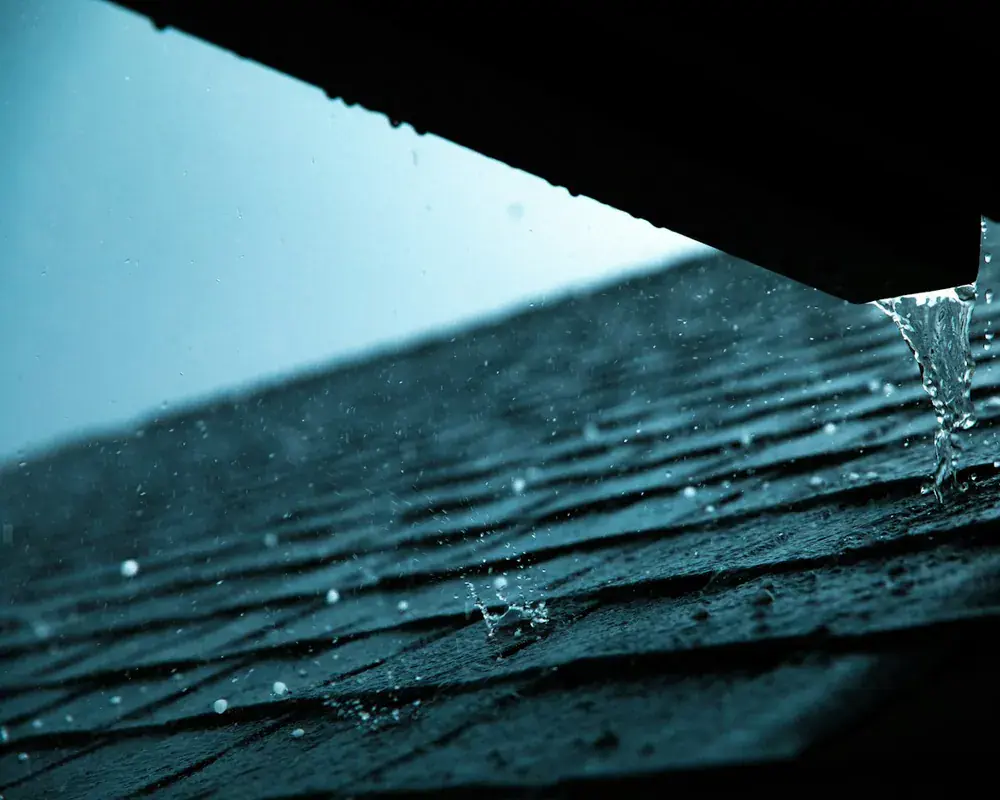
Most roofline trouble is avoidable with a look over now and then. A roofline inspection checks the fascias, soffits, bargeboards, guttering and downpipes, spotting early rot, failed seals, blockages and loose fixings before they turn into leaks. You come away with a clear picture of what, if anything, needs doing.
Gutter cleaning is the single most valuable piece of maintenance. Clearing leaves, moss and silt keeps water flowing to the downpipes and stops the overflow that soaks walls and foundations. We offer it as part of this service, so get in touch to confirm current availability for your property.
It isn't always obvious whether to patch a problem or renew the roofline. Here's how we weigh it up, and we'll always give you the honest answer rather than the bigger invoice.
A little regular attention goes a long way. These simple habits keep a roofline healthy and cut down on repairs.
After the leaves fall, have the gutters cleared so winter rain drains freely rather than overflowing and freezing in blocked runs.
During and after storms, glance up for dislodged downpipes, drips at joints and water running down walls.
Clear any moss and debris left by winter, and look over the boards for damage so repairs can be planned.
A dry spell is the ideal time for a wash down and an inspection, catching small faults before the wet returns.
Repairs are quoted around the specific fault and your property, so there's no flat rate. These are the main things behind the figure, all explained before any work, never a price promised sight unseen.
A quick reseal is very different from replacing a run of boards. The nature of the problem is the starting point.
Height and position decide whether we can work from towers or need scaffolding.
One isolated fault is simpler than several spread around the property, or a problem larger than it first looked.
Some repairs need matching replacement sections or fittings, which form part of the quotation.
What an inspection turns up can change the scope if more attention is needed than expected.
A regular clean and check can be arranged separately, worth considering to prevent repeat faults.
A repair is usually enough when the problem is isolated, say a single leaking joint, one damaged board or a blocked gutter, and the rest of the roofline is sound. When several elements are failing, rot is widespread, or you keep repairing the same spot, full replacement is often better value. We give honest advice rather than push the larger job.
Yes. Gutter cleaning is part of our repairs and maintenance work and can be booked on its own. Clearing leaves, moss and debris keeps water flowing and prevents the overflow that damages walls and foundations. Get in touch to confirm current availability for your property.
Yes. Targeted repairs are exactly what this service is for: resealing a leaking joint, realigning a dropped run, refixing a loose downpipe bracket or replacing a single damaged board. We fix what needs fixing rather than insist on more than the problem requires.
We look over the fascias, soffits, bargeboards, guttering and downpipes to check their condition, spot early rot, blockages or failed seals, and see whether fixings are secure. You get a clear picture of what, if anything, needs attention, so you can plan maintenance before small faults grow.
As a rough guide, clearing gutters and looking the roofline over once or twice a year, typically in autumn after leaf fall and again in spring, catches problems early. Properties near trees may need gutters cleared more often. A quick seasonal check is far cheaper than repairing water damage later.
Often, yes. Overflowing gutters are usually blocked with leaves and moss, but the cause can also be a failed joint, brackets that have dropped so the fall is wrong, or a clogged downpipe. We find the actual cause and put it right rather than just clear the surface.
Tell us what you have noticed: a drip, a blockage, a loose board or just a roofline that is due a look over. We will arrange an inspection and give you a clear written quotation for whatever needs doing.