
Soffits
The board beneath the fascia, usually renewed at the same time to keep the roof edge consistent.
Soffit servicesThe fascia runs along the lower edge of your roof, closing off the rafter ends and carrying the guttering. When it fails, water gets into the roof edge and the trouble spreads. We replace tired timber fascias with low-maintenance boards that protect the roof and sharpen its finish.
Of all the parts of your roofline, the fascia does the most work for the least attention. It is the board behind your gutters, holding them up and sealing the roof edge. On older homes it is timber, painted every few years to hold off the rot. Once the painting stops, the decay starts.
Here is what a fascia does, how to tell when yours is failing, and the sensible ways to put it right, on its own or alongside new soffits and guttering.
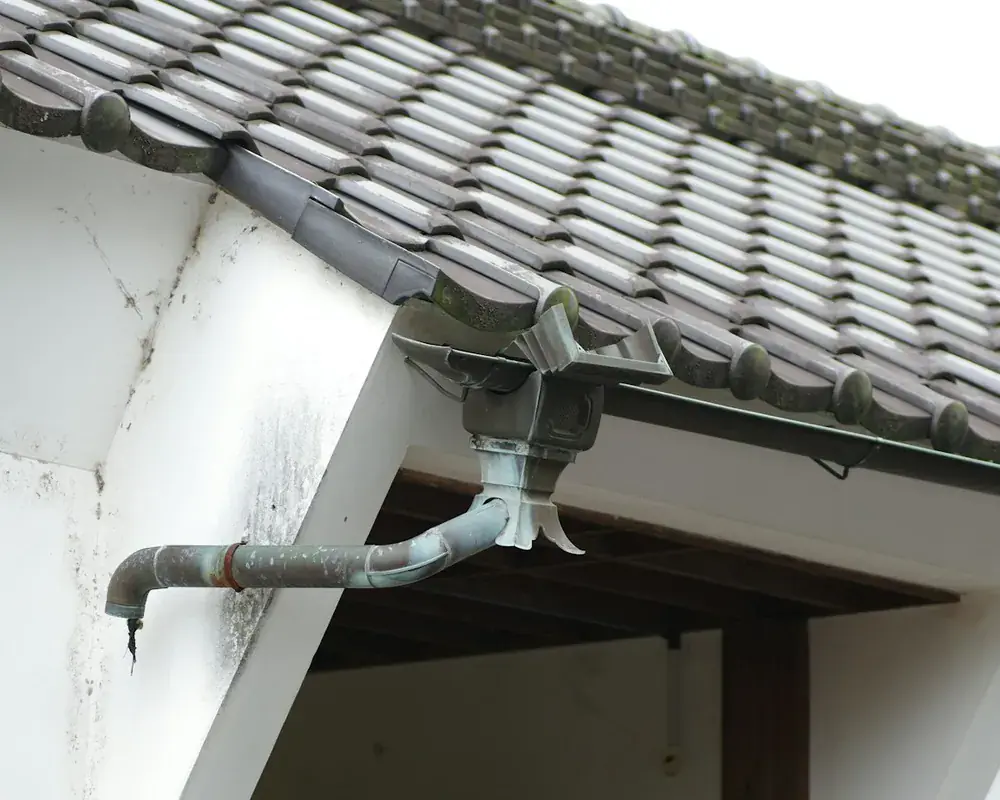
A fascia is the upright board fixed across the ends of your roof rafters, along the eaves. It does three things: it caps the rafter ends against wind and rain, gives the bottom row of tiles a straight line to finish against, and carries your guttering, brackets, water and all.
That last job is the catch. The gutter bolts straight to it, so the fascia takes constant moisture. A sound board shrugs this off; a neglected timber one lets water creep behind the paint and into the grain, which is why it is so often first to go.
Fascia trouble builds slowly. Catch it early and the repair stays with the board, before water reaches the rafters.
Press it; if it gives, the wood is rotting and paint will not save it.
Lifting paint means moisture is working behind the surface.
Marks, algae and moss show damp that is not draining away.
A dropping or loose gutter often has a soft fascia behind it.
Open joints let rain, insects and birds into the roof edge.
Repainting every couple of years? A low-maintenance board wins.
There is usually more than one way forward, and the right one comes down to the state of the timber behind the board.
Capping fixes a thin uPVC cover over your existing fascia for a fresh, maintenance-free face. It is quicker and less disruptive, but only where the timber underneath is sound and dry. Over decaying wood it just traps the damp, so we only suggest it when the board is in good order.
Full replacement strips the old board away, so the rafter ends are exposed, checked and treated before the new fascia goes on. It deals with hidden rot rather than hiding it, which is why we usually recommend it. A uPVC board never needs repainting and holds its look for years. On an extension or new roof edge, fascias go on the same way, matched to the existing line, and where it makes sense we fit them as part of a wider roofline replacement.
Most replacement fascias are uPVC, but it is not the only option.
The standard choice: rigid, weatherproof and maintenance-free. It covers most replacements, in every common colour and profile.
Stiffer and tougher, so it suits larger or exposed properties and longer runs. It costs more, but it lasts.
Still chosen where a property's character calls for real wood. It looks right on period homes but needs repainting every few years.
A tidy, methodical sequence that leaves a clean roof edge behind.
We check the boards, rafter ends and access, and measure the roofline for profile and quantities.
The old fascia and its guttering come down, exposing the rafter ends.
Rafter ends are treated or made good, giving the new board a sound, level base.
The new fascia goes on, guttering is refitted, joints are sealed and the site left tidy.
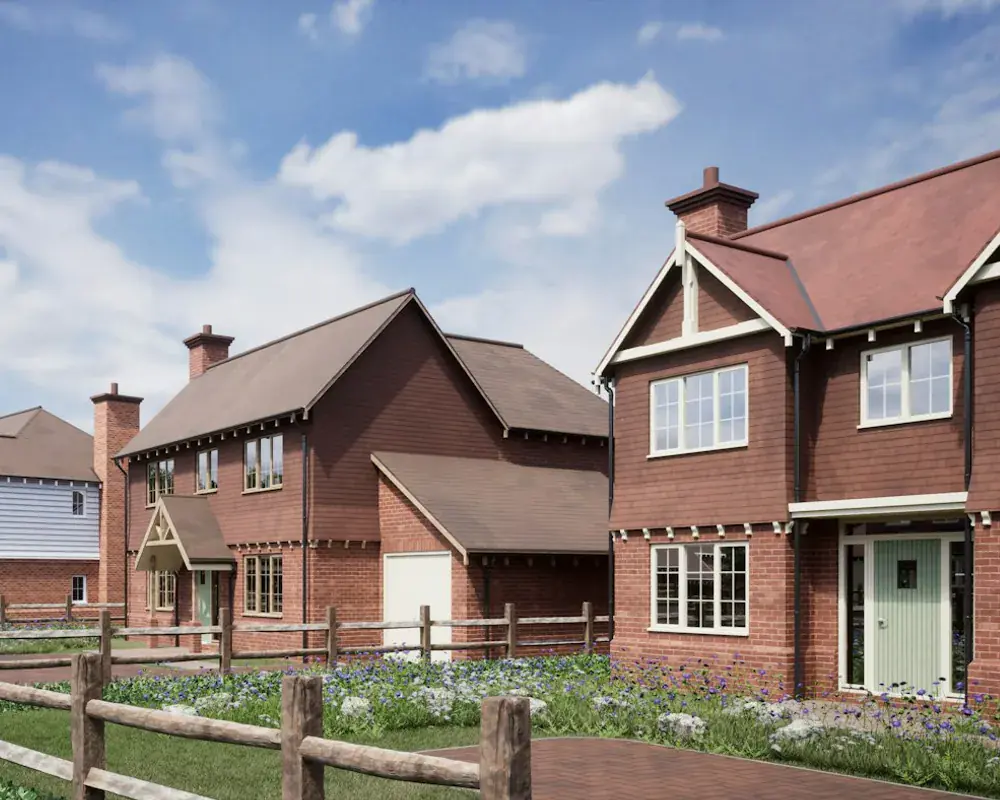
The profile is the shape of the board's face. A square-edge fascia gives a flat, modern line; an ogee profile has a decorative curved face that suits period homes. Either way, it needs enough depth to cover the rafter ends and tuck behind the gutter.
Colour is where the roofline comes together. Keep it bright, or contrast it with your windows and doors.
Every roofline is different, so instead of a figure that could mislead, here is what moves the price.
We set it all out in a written quotation after seeing your property, so you know what is included.
Yes, it is one of the most common upgrades we carry out. The old timber comes off so the rafter ends can be checked, and a uPVC board goes on in its place. uPVC does not rot or need repainting.
The fascia is the upright board along the front of the roof edge, carrying the guttering. The soffit is the board beneath it, closing the gap between wall and roof. They meet at the eaves and are usually renewed together.
Often, yes. The guttering fixes to the fascia, so once the new board is on it is easy to refit or renew the gutter while access is set up. If the gutters are tired, doing both avoids a second visit.
A typical house often takes one to three days, depending on the number of elevations, the height and whether scaffolding is needed. We confirm a realistic timescale in your written quotation.
The board beneath the fascia, usually renewed at the same time to keep the roof edge consistent.
Soffit servicesFixed to the fascia, so new boards and new rainwater goods go hand in hand.
Guttering servicesRenew fascias, soffits and rainwater goods together in one coordinated package.
Complete replacementSee how we work on our installation process page, or browse the materials & finishes.
Tell us what you are seeing along your roof edge and we will arrange a no-obligation assessment and a clear written quotation.