
Little disruption indoors
The work happens at roof level outside, so you carry on inside as normal, with no need to empty rooms or lose the use of your home.
When the whole roof edge is tired, replacing the fascias, soffits, guttering and downpipes together as one package is usually the sensible move. One access set-up covers everything, the finish matches all the way round, and the roof space gets fresh ventilation at the same time.
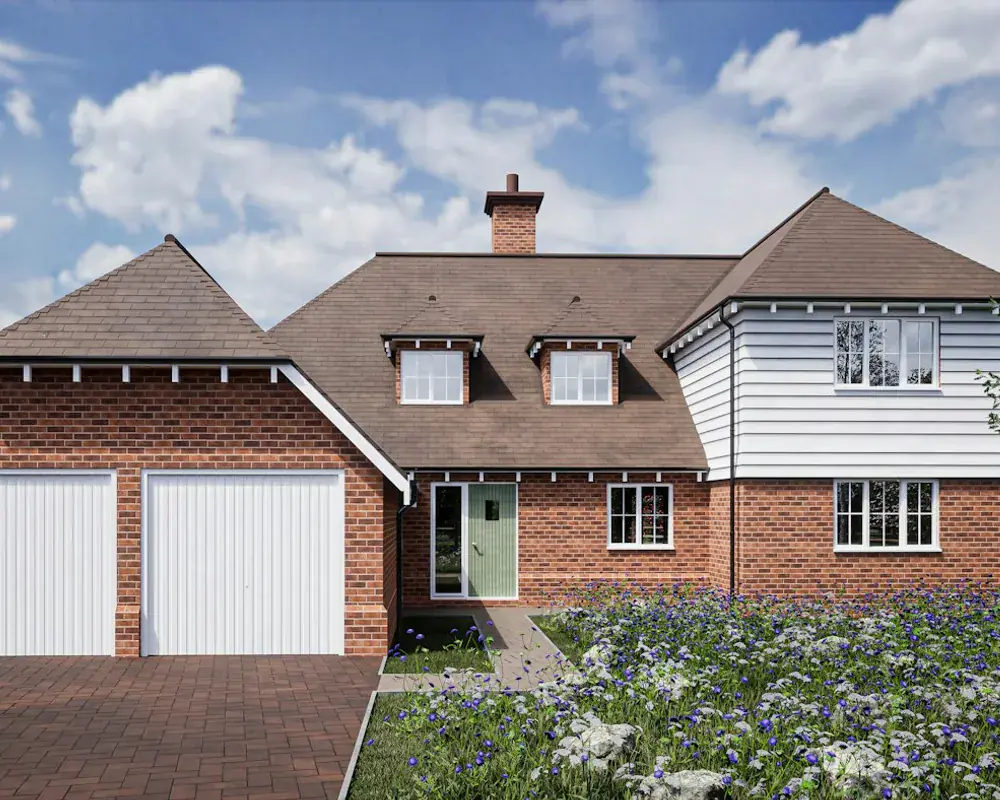
A complete roofline replacement renews every part of the roof edge in one project: the fascias that carry the gutter, the soffits beneath the overhang, and the gutters and downpipes that take water away. On many jobs bargeboards and trims are included too, so the gables match the eaves.
The reason to treat it as a package rather than a string of separate fixes is simple: these parts are connected and share the same access. Replacing them together means the work is done once, cleanly, with a finish consistent across the property rather than a patchwork of new and old boards in slightly different colours. It's the natural choice on older homes where painted timber has reached the end of its life, or wherever several elements are failing at once.
Repairs have their place, and we're happy to carry them out. But there's a point where patching individual boards stops making sense and a full replacement is better value. These are the signs you've reached it.
If only one part is at fault, a targeted fix may be all you need. See our repairs and maintenance page. We'll tell you honestly which situation you're in.
Bringing the whole roofline into one project pays off in a few clear ways.
Scaffolding or towers go up once and cover the whole job, not again for each separate repair down the line.
Every board, gutter and downpipe is the same age, colour and profile, so the roofline reads as one clean line.
New ventilated soffits specified for the whole roof at once help the roof space breathe and manage condensation consistently.
With the old boards off, the roof edge, rafter feet and timbers are checked and any hidden problems dealt with first.
A full set of modern uPVC or aluminium components means years of little more than an occasional wash, and one setup is better value than repeated visits.
The job follows a clear sequence, designed to be thorough and tidy from first assessment to final walk-round.
We survey the roofline, check access and measurements, discuss materials and colours, and provide a written quotation with the scope and timescale set out.
Safe access goes up, then the old fascias, soffits and rainwater goods come off and the exposed roof edge and timbers are inspected.
New fascias, ventilated soffits, guttering and downpipes are fitted in the chosen profile and colour, with bargeboards and trims to match.
We test that the rainwater runs correctly, walk the finished work through with you, remove the access and leave the site clean.
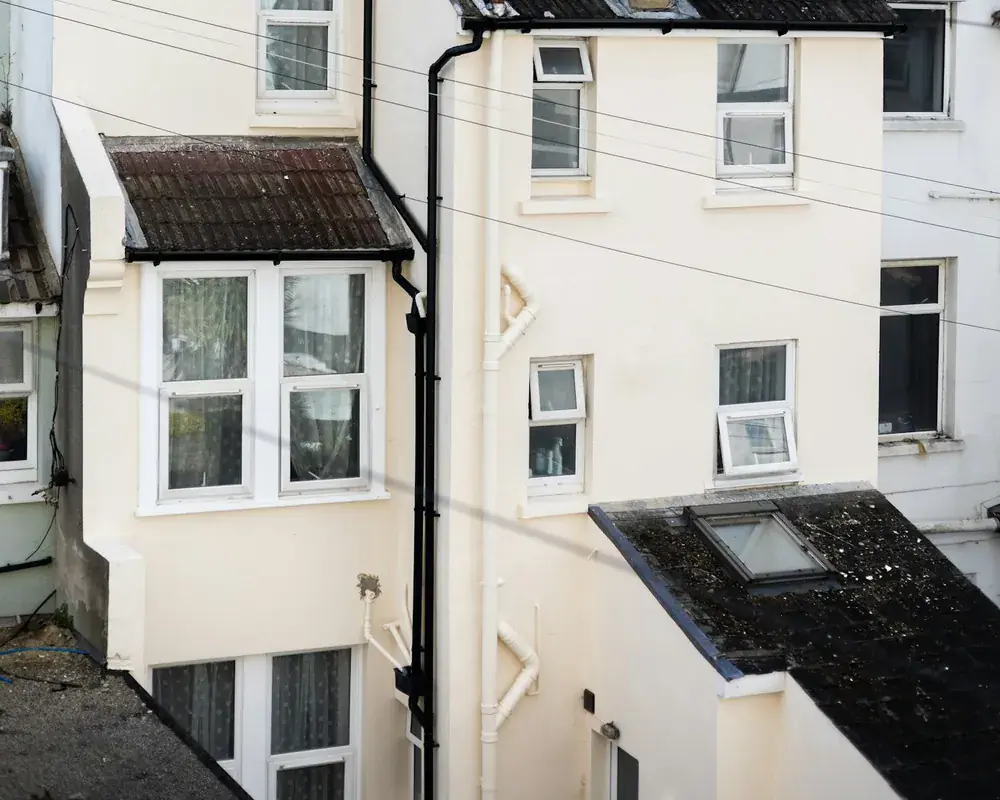
There are two ways to renew a fascia, and it's worth understanding the difference before you decide.
Capping means fixing a uPVC cover board over the existing timber fascia, leaving the original in place behind it. It's quicker and suits situations where the underlying timber is genuinely sound. The drawback: any rot stays hidden behind the new cover, and the roofline isn't fully inspected.
Full replacement removes the old boards completely and fits new ones. It costs a little more up front but is usually the more reliable long-term choice: it takes out decayed timber, lets the roof edge be checked and gives a cleaner result. We advise on the right approach after assessing your property, and never cap over timber we think should come off. There's more on the fascias and soffits pages.
A complete replacement is priced around your property, so there's no set rate. These are the main factors behind the cost and the time on site, all explained in a written quotation rather than guessed at beforehand.
The total run of roofline and the number of elevations and gables is the biggest single factor in both cost and duration.
Whether the job needs scaffolding or can be done from towers depends on height and layout.
Standard white uPVC, woodgrain foils, anthracite and aluminium systems sit at different levels.
Fascias and soffits only, or the full package with guttering, downpipes, bargeboards and trims.
Rotten rafter feet or other hidden issues found during strip-out may need putting right first.
The two approaches involve different amounts of work, reflected in the quotation.
Roofline replacement is carried out from the outside, so it's one of the less disruptive home improvements. Here's a realistic picture of what it's like while it's going on.
The work happens at roof level outside, so you carry on inside as normal, with no need to empty rooms or lose the use of your home.
Expect noise and movement around the house as the old materials come down and the new system goes up, with access equipment around the perimeter.
We protect the surrounding area, keep debris contained and clear up as we go, leaving the site tidy each day and fully cleaned on completion.
Most domestic roofline replacements take one to three days, depending on the size of the property, the number of elevations and whether scaffolding or towers are needed. A realistic timescale is confirmed with your written quotation once we've assessed the job.
It depends on the height and layout of your property. Single-storey work can often be done from access towers, while two-storey and complex roofs usually need scaffolding for safe, tidy installation. Any access requirements are set out clearly in your quotation.
Capping clads over existing timber fascias with a uPVC cover board, leaving the original timber in place. Full replacement removes the old boards entirely and fits new ones. Capping can suit sound timber, but full replacement is usually the more reliable long-term choice: it takes out any rot and lets the roofline be inspected.
A complete replacement includes the guttering and downpipes alongside the fascias and soffits. Because the gutter fixes to the fascia and access is already in place, renewing it at the same time avoids disturbing new boards later and gives a coordinated, matched finish.
Roofline work is done from outside, so there's little disruption indoors. Expect some noise and activity as the old materials come down and the new system goes up. We protect the surrounding area and clear away debris as we go, leaving the site tidy at the end.
Where several elements are worn, doing them together is usually better value and gives a neater result: one access set-up covers the whole job, colours and profiles match across every elevation, and ventilation is renewed consistently. We'll give you honest advice if only part of the roofline actually needs work.
Tell us about your property and what is showing its age. We will arrange an assessment, recommend the right scope and finish, and give you a clear written quotation with a realistic timescale. For a fully tailored scheme, see our bespoke roofline service.